
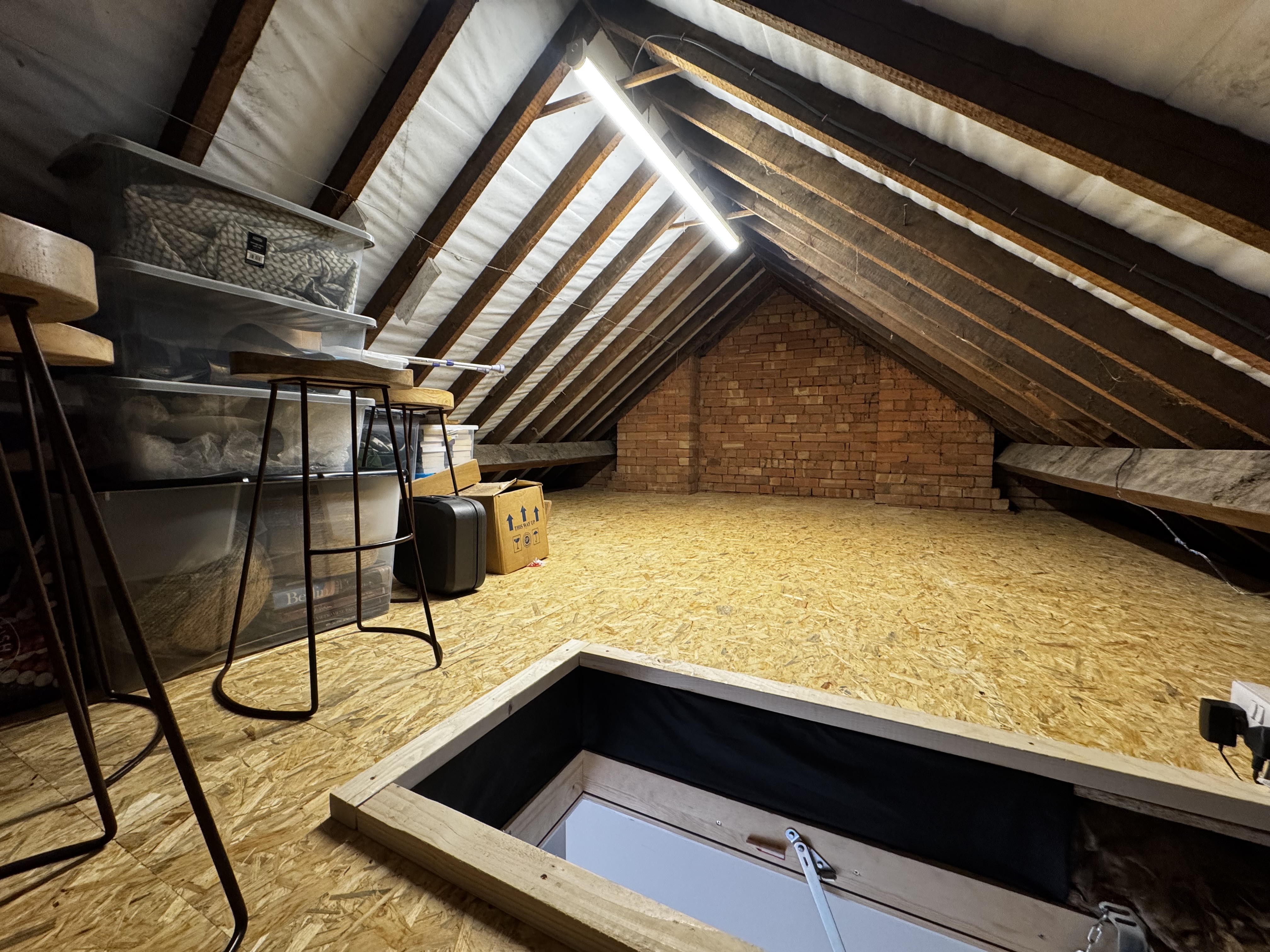
A loft boarding cost per m2 of £75 is considered a fair and competitive price for a high quality, professional installation that includes raised flooring to preserve insulation. This rate typically covers both materials and labor for a safe, load bearing storage space; however, final prices may vary based on structural requirements and geographic location.
Many homeowners view their loft as wasted potential, yet they hesitate to move forward when faced with varying quotes that seem to lack transparency. Calculating the true loft boarding cost per m2 involves more than just comparing simple figures; it requires an understanding of structural safety and long term property value. A price tag of £75 per m2 is often cited as a benchmark, but determining if this represents genuine quality or an inflated fee is essential for a successful renovation. This guide examines the components of a professional installation, including the necessity of raised subframes to protect insulation and ensure airflow. You will learn what should be included in a premium quote, why cheap alternatives often lead to structural damage, and how to evaluate service providers in Wolverhampton to ensure your investment stands the test of time.
Understanding the Standard Loft Boarding Cost Per m2
Determining a fair budget for your attic project begins with understanding the current UK market landscape. Currently, the national average loft boarding cost per m2 fluctuates between £40 and £100. While this range seems broad, the £75 mark represents the industry sweet spot for homeowners seeking a balance of durability, safety, and long term value.
This £75 per m2 figure is not an arbitrary number; it typically accounts for both premium materials and the skilled labor required to install them correctly. When you receive a quote in this bracket, you are usually paying for high density, moisture resistant P5 chipboard and a raised sub-frame system designed to protect your home's thermal envelope. A professional loft boarding installation at this price point should also include a comprehensive warranty, providing peace of mind that the structure is fit for purpose.
Homeowners should exercise caution when presented with quotes at the lower end of the spectrum, such as £40 per m2. These budget prices often omit critical structural components like loft legs or specialized sub-frames. Without these features, boards are typically screwed directly into the ceiling joists. This outdated method ignores modern building standards and fails to accommodate the thick layers of insulation required to keep your home energy efficient. A professional service provider prioritizes structural integrity and manufacturer warranties, which are inherent in a mid-range price point. By investing in quality work, you ensure the installation meets safety standards without compromising your property's insulation performance or structural health.
What is Included in a Professional £75 Per m2 Quote?
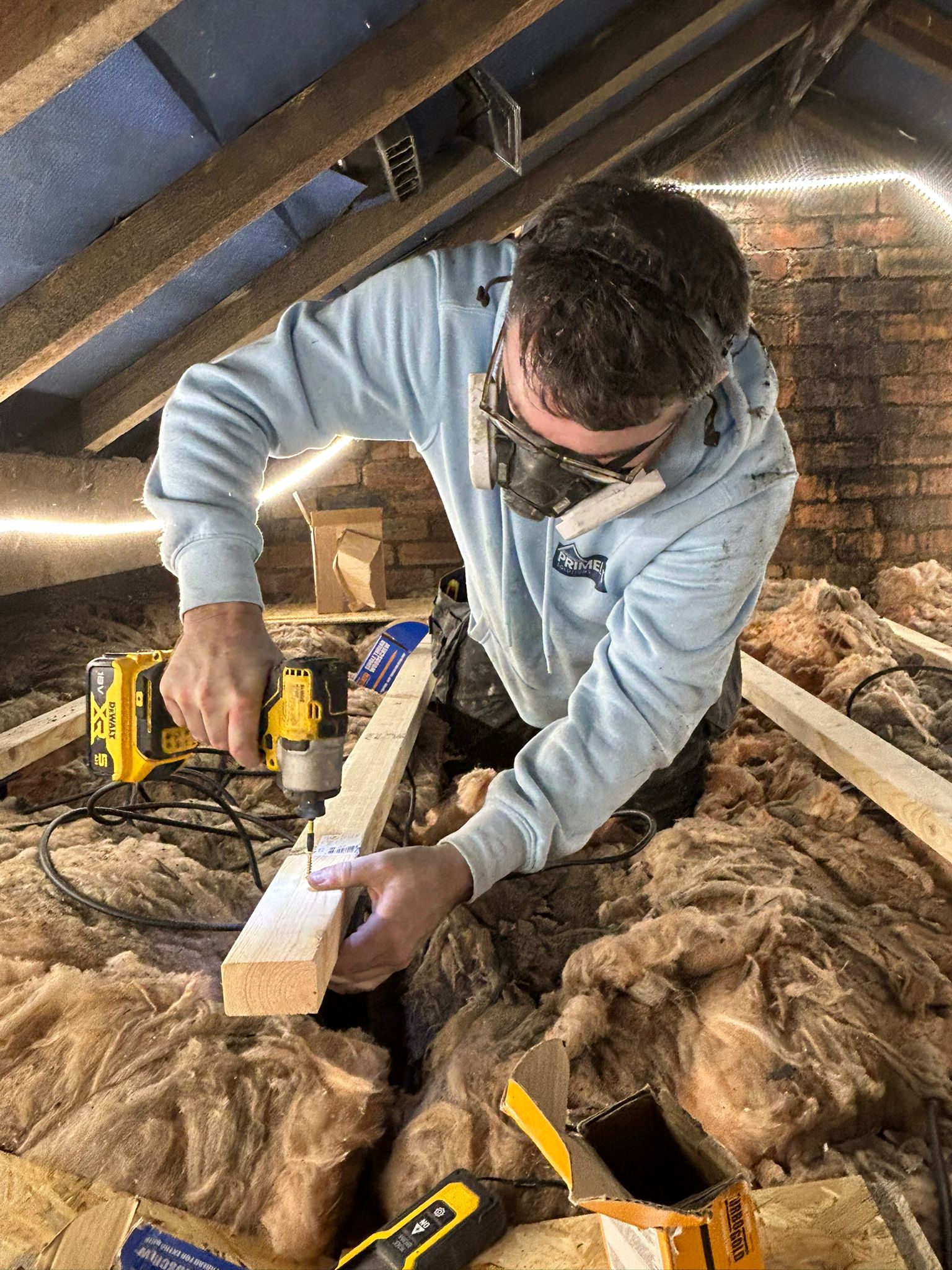
A comprehensive quote at the £75 mark reflects more than just the surface you walk on; it covers the specialized components required to turn a dusty void into a safe, functional storage space. At Primeloft Solutions, we break this cost down into three essential pillars that ensure your home remains thermally efficient and structurally sound.
The first pillar is material quality. A professional loft boarding installation utilizes 22mm moisture resistant P5 chipboard. Unlike the thinner 18mm boards often found in DIY kits, P5 grade timber is specifically engineered to withstand the humidity and temperature fluctuations common in UK lofts. It provides a dense, tongue and groove interlocking surface that prevents bowing and ensures a flat, stable floor for decades. Choosing inferior, non-moisture resistant materials often leads to swelling and structural failure over time.
The second pillar is structural integrity, achieved through a raised sub-frame system. Standard mineral wool insulation must be approximately 270mm thick to meet modern building regulations. A professional quote includes the installation of heavy duty loft legs or a timber sub-frame that sits above this insulation. Budget installers often save time and material costs by screwing boards directly into the ceiling joists. This method is problematic because it crushes the insulation and can cause hairline cracks in the plasterboard ceilings below. By raising the floor, we preserve the airflow and thermal properties of your home while protecting your interior finishes.
Finally, the price accounts for the expertise of a specialist team. As a family run business based in Wolverhampton, our reputation depends on precision. This expertise includes ensuring all electrical cables are safely rerouted or given space to breathe, preventing fire hazards caused by overheating. A professional service also leaves the workspace tidy; if the area requires extensive preparation, our rubbish removal and cleaning services can be integrated to ensure the project starts on a clean slate. When calculating the loft boarding cost per m2, these details represent the difference between a temporary fix and a permanent home improvement.
The Hidden Costs of Cheap Loft Boarding
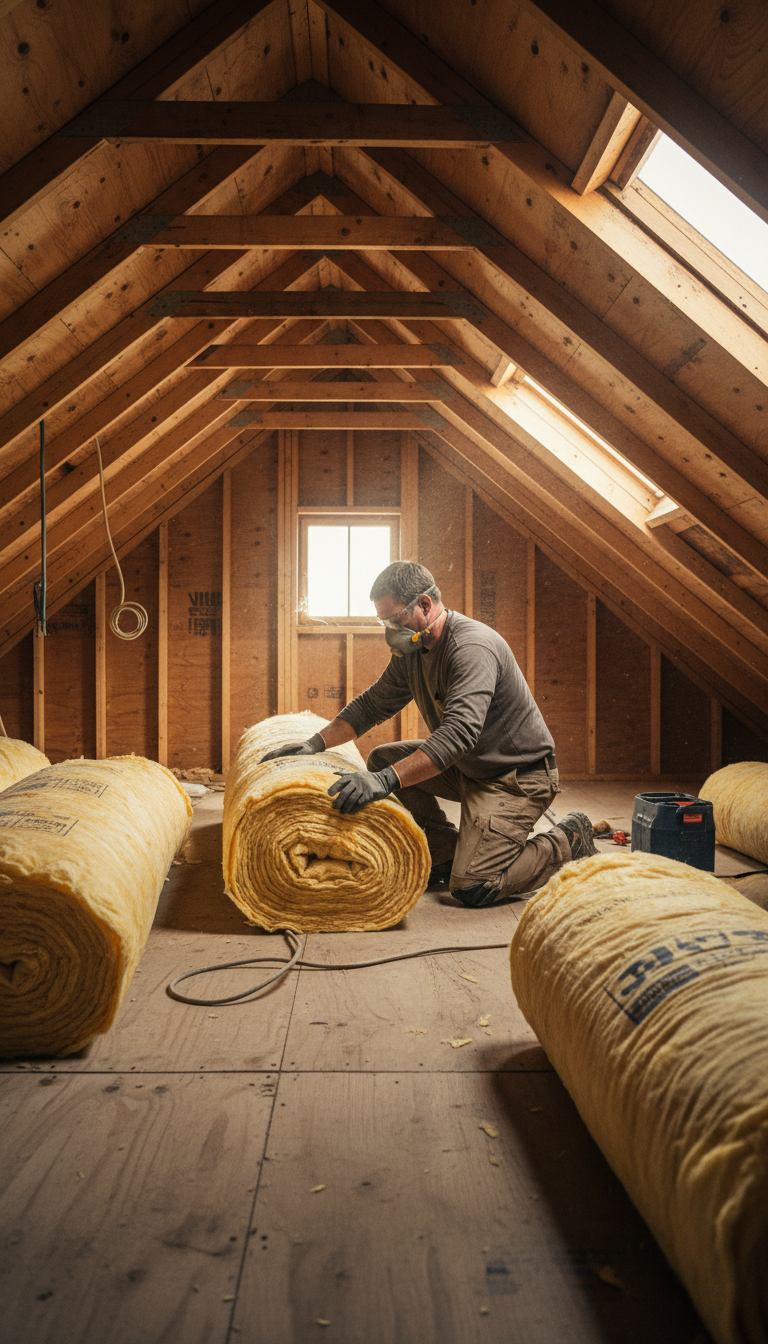
Accepting a quote that sits significantly below the market average, such as £40 per m2, often introduces long term financial liabilities that far outweigh the initial savings. The primary concern with budget installations is insulation compression. In most older UK homes, ceiling joists are only about 100mm to 150mm deep. However, current UK building regulations recommend a total insulation thickness of 270mm to achieve optimal thermal efficiency. To meet this standard, a professional loft boarding installation must utilize a raised sub-frame or specialized loft legs to create a platform above the mineral wool.
When boards are screwed directly into the joists to save on material costs, the insulation is crushed. This compression forces the air out of the mineral wool, which is exactly what provides the thermal barrier. Research indicates that compressing 270mm of glass wool down to 100mm can reduce its effective thermal performance by over 50 percent. Consequently, your home loses heat faster, forcing your heating system to work harder and driving up monthly energy bills. Over just a few winters, the money saved on the cheaper loft boarding cost per m2 is quickly eclipsed by these increased utility costs.
Furthermore, squashing insulation restricts airflow between the top of the wool and the underside of the boards. Without this vital ventilation gap, interstitial condensation can form, leading to damp joists and potential mold growth. If your space is currently cluttered with old debris that prevents a clear view of your insulation health, professional rubbish removal and cleaning should be the first step. Investing in the £75 price point ensures the inclusion of a necessary sub-frame, maintaining the integrity of your insulation and protecting your property from the hidden risks of a budget fit.
Why Wolverhampton Homeowners Should Look Beyond the Base Price
For homeowners in Wolverhampton, the architecture of the property dictates the complexity of the project. In areas like Penn, many Victorian terraces feature traditional cut-roof structures. These older lofts often present uneven joist spacing or low-hanging purlins that require precision cutting and bespoke sub-framing to ensure a level finish. Conversely, modern developments in Tettenhall often utilize fink trusses, where the "W" shaped timber frames limit maneuverability and require a highly specific raised system to clear the deep insulation layers. A generic national contractor quoting a flat loft boarding cost per m2 may not account for these local structural nuances, leading to hidden surcharges once they arrive on site.
Choosing a local specialist means your quote reflects the reality of your specific roof type. At Primeloft Solutions, we recognize that a loft is rarely a blank canvas. Most attic spaces in the Black Country have accumulated decades of dust, old suitcases, or even discarded building materials. While national franchises might skip the prep work or add significant fees for clearing the space, we integrate specialized rubbish removal and cleaning into our workflow.
Starting with a vacuumed, debris-free environment is essential for a high-quality loft boarding installation. This thorough approach ensures that no rodents, damp, or structural defects are hidden beneath the new floor. By looking beyond the base price, you are investing in a service that treats your home as a unique property rather than a standardized square-meter calculation. This local expertise ensures the installation is tailored to the specific timber conditions and clearance needs of Wolverhampton homes.
Factors That Can Increase or Decrease Your Quote
While £75 per m2 serves as a reliable benchmark for a high-quality loft boarding installation, several variables specific to your property can shift the final investment. Transparency is vital for a family-run business like ours, so we always assess these four primary factors during a site survey:
Loft Access and Hatch Upgrades: The ease of entry significantly impacts labor and material costs. If your home still has a small, outdated push-up hatch, it may require enlarging to accommodate a modern, insulated drop-down door. Installing a sturdy, three-section timber or aluminum ladder alongside a new hatch provides safe, frequent access, which is a separate but necessary consideration for a functional storage space.
Existing Insulation Levels: We never board over insufficient insulation. If your current mineral wool is below the recommended 270mm depth, it must be topped up before the sub-frame is installed. This ensures your home remains energy efficient and compliant with modern standards, though it does add to the initial material cost.
Structural Obstructions: Every loft is different. Large water tanks, pipework, or complex electrical clusters require bespoke boxing or careful rerouting to ensure the boarding remains level and safe. These obstacles require additional time and precision carpentry.
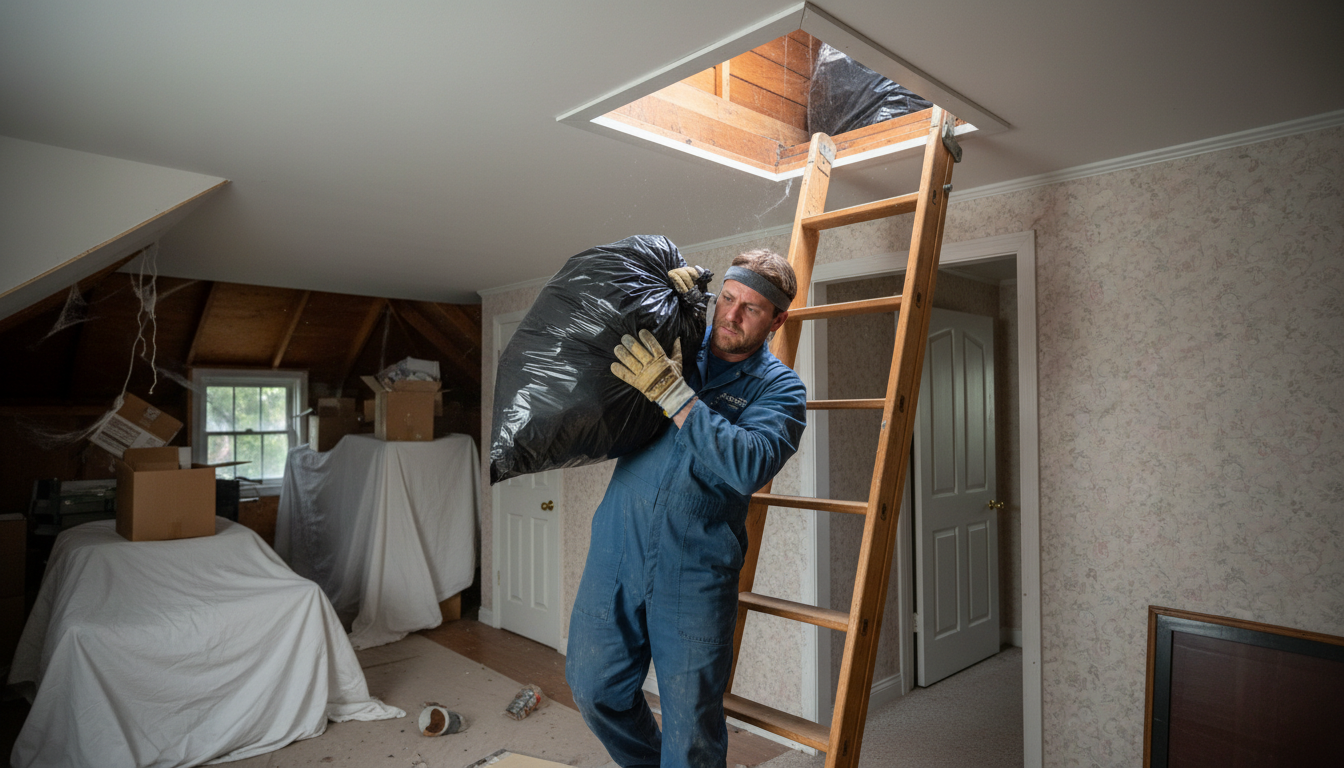
Site Preparation and Clearance: A loft filled with decades of dust, old suitcases, or discarded building materials requires preparation. Unlike many contractors who expect a perfectly clear space, we offer a dedicated rubbish removal and cleaning service. Clearing this debris is essential to identify potential damp or structural issues, ensuring your loft boarding cost per m2 reflects a comprehensive and professional finish from the joists up.
How to Compare Loft Boarding Quotes Effectively
When evaluating different estimates, focus on the technical specifications rather than the bottom line alone. A quote that appears significantly lower than the standard loft boarding cost per m2 often indicates that the installer is cutting corners on structural safety or thermal efficiency. To ensure you are receiving a installation that protects your home, use the following checklist during your consultations:
Do you use raised loft legs or a sub-frame? Laying boards directly on joists is a red flag. A professional loft boarding installation must maintain a 270mm insulation depth to keep your home energy efficient.
Is the boarding P5 moisture-resistant? Ensure the contractor is not using standard, furniture-grade chipboard, which can warp or swell in a damp attic environment.
Do you provide a formal warranty? A reputable business should stand by their workmanship and the materials used with a written guarantee.
How do you handle cables and pipes? Professional installers will never board over live electrical wires, as this creates a fire risk from overheating.
Crucially, ask if their method maintains your manufacturer's insulation warranty. Many new build warranties are voided if the insulation is compressed or squashed. A fair price includes the technical expertise to keep these protections in place. If the space is currently inaccessible due to clutter, ask if they provide rubbish removal and cleaning as part of the preparation, ensuring the project begins with a clear view of your joists.